Understanding Autoclave Inspection Services: A Complete Guide to Safety and Compliance
Regular inspection and maintenance aren’t just recommended practices—they’re essential safety requirements that protect your facility, your team, and your investment.
When you’re running industrial autoclaves that operate under extreme temperature and pressure conditions, the stakes are incredibly high. A single failure can result in production downtime, safety incidents, or costly equipment replacement. That’s why periodic inspection services have become a non-negotiable part of responsible autoclave ownership.
Whether you operate medical waste autoclaves, aerospace autoclaves, or rubber vulcanizing systems, understanding the inspection process helps you maintain compliance, extend equipment life, and prevent unexpected failures.
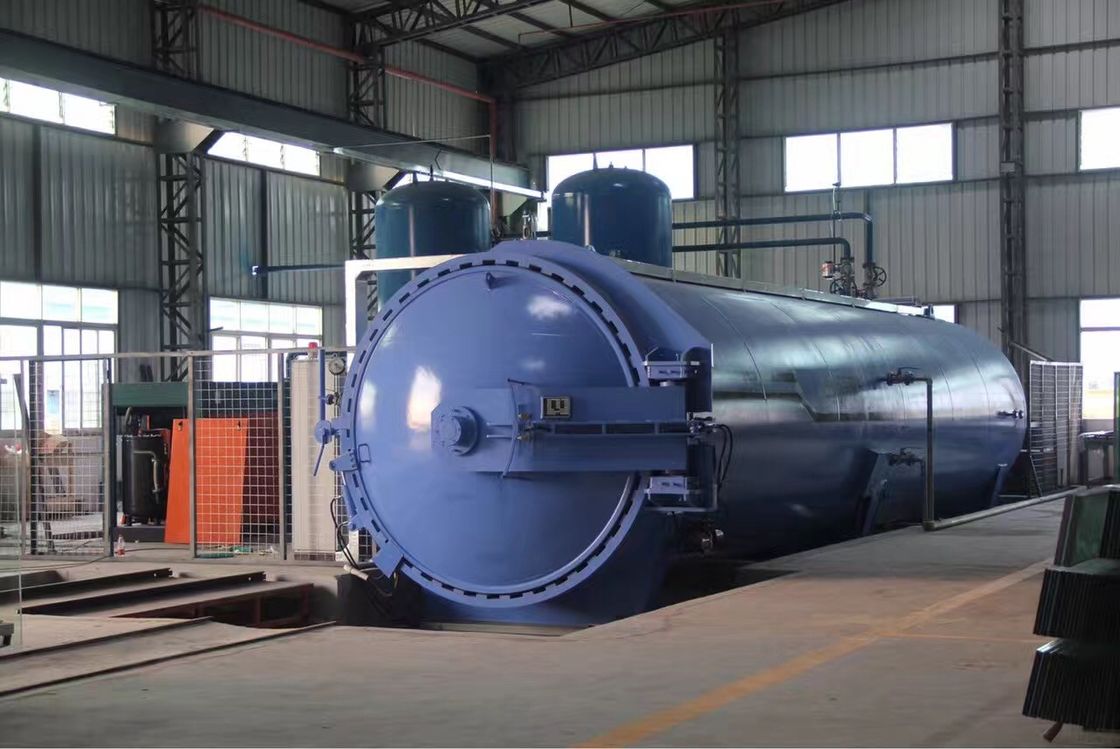
Autoclaves are sophisticated pressure vessels that create controlled environments for sterilization, curing, and material processing. Because these systems combine high pressure with elevated temperatures, they’re subject to strict regulatory oversight.
Most jurisdictions require annual inspections for autoclaves, and these aren’t optional. They’re designed to verify that your equipment continues to operate safely and meets current standards. Beyond compliance, regular inspections catch problems early—before they turn into expensive repairs or dangerous situations.
Think of it this way: a small crack detected during routine inspection might cost a few hundred dollars to repair. That same crack, left undetected until it causes a failure, could result in tens of thousands in emergency repairs, lost production time, and potential safety incidents.
In North America and Europe, autoclave inspections follow well-established frameworks. The 2014/68/EU Pressure Equipment Directive sets the foundation for European compliance, while ASME standards govern equipment in the United States and Canada.
At TRG Supply, all our ASME-certified pressure vessels and autoclaves are built to meet or exceed these standards from the start. But certification at the time of manufacture is just the beginning—ongoing inspections verify that your equipment maintains those standards throughout its operational life.
Key standards that guide periodic inspections include:
A thorough periodic inspection goes far beyond a simple visual check. Here’s what you can expect from a professional inspection service:
Over time, autoclaves can experience material thinning due to corrosion, erosion, or thermal cycling. Inspectors use ultrasonic thickness gauges to measure wall thickness at multiple points throughout the vessel. These measurements are compared against original specifications and minimum allowable thresholds.
If you’re operating large-capacity autoclaves, this step becomes even more critical because of the larger surface areas involved and the greater consequences of material degradation.
Both internal and external surfaces need careful evaluation for corrosion. Internal corrosion can be particularly insidious because it’s not visible during normal operation. Inspectors look for pitting, general corrosion, stress corrosion cracking, and other forms of material degradation.
The type of materials being processed affects corrosion rates. For instance, wood autoclaves handling chemically treated timber may face different corrosion challenges compared to glass lamination autoclaves.
Welds represent critical structural points in any pressure vessel. Visual inspection serves as the first line of defense, identifying obvious defects such as:
While visual inspection catches many issues, it’s just the starting point. More sophisticated testing methods provide deeper insight into weld integrity.
NDT allows inspectors to examine internal structure without damaging the autoclave. Three primary methods are used:
This technique works on ferromagnetic materials by magnetizing the test area. When surface or near-surface defects are present, they disrupt the magnetic field, creating detectable patterns when iron particles are applied. It’s excellent for finding cracks that might not be visible to the naked eye.
High-frequency sound waves travel through the material, reflecting back when they encounter defects. The pattern of these reflections reveals the location, size, and sometimes the nature of internal discontinuities. This method can detect cracks, voids, and inclusions deep within the material.
Similar to medical X-rays, radiographic testing uses penetrating radiation to create images of the autoclave’s internal structure. Different materials absorb radiation at different rates, creating contrast that reveals defects, voids, and density variations.
Autoclave doors and sealing mechanisms face tremendous stress. The bayonet teeth (for quick-opening closures) and door seals must maintain perfect integrity to ensure safe operation.
Inspectors check for:
Door failure can have catastrophic consequences, making this inspection component absolutely critical.
Not every inspection includes a hydrostatic test, but when it’s required, it’s one of the most revealing assessments you can perform. The autoclave is filled completely with water and pressurized to 1.5 times its normal operating pressure.
This test reveals:
While hydrostatic testing is demanding and requires taking equipment offline, it provides definitive proof of structural integrity. Many pressure vessels undergo this testing as part of their certification process.
Independent, accredited inspection bodies provide the final seal of approval. These organizations have no vested interest in the outcome—they simply verify that your autoclave meets all applicable safety standards.
The official inspection report they issue becomes your documentation for regulatory compliance, insurance requirements, and operational peace of mind.
Years of inspection experience reveal recurring issues that operators should watch for:
Thermal Fatigue: Repeated heating and cooling cycles create stresses that can lead to cracking, particularly at welds and areas of geometric discontinuity.
Corrosion Under Insulation: External insulation can trap moisture against the autoclave shell, creating corrosion that’s invisible until the insulation is removed for inspection.
Gasket Degradation: Door seals deteriorate over time, leading to leaks, contamination, or reduced process efficiency. This is especially common in facilities running multiple cycles daily.
Safety System Failures: Pressure relief valves, temperature sensors, and interlock systems can fail silently. Regular inspection catches these issues before they compromise safety.
Mechanical Wear: Moving parts like door mechanisms, hinges, and latches experience wear that can affect both safety and functionality.
Smart preparation makes inspections more efficient and comprehensive. Here’s what you should do before the inspection team arrives:
Gather Documentation: Have previous inspection reports, maintenance logs, and operating records readily available. This historical data helps inspectors identify trends and focus on areas of concern.
Clean the Equipment: Remove process residues, scale, and contamination that could hide defects or interfere with testing. A clean autoclave is easier to inspect thoroughly.
Schedule Downtime Appropriately: Comprehensive inspections require the equipment to be offline, depressurized, and cool. Plan this around production schedules to minimize disruption.
Remove Insulation (If Required): Some inspections require access to bare metal surfaces. If insulation removal is needed, factor this into your timeline and budget.
Notify Operations Teams: Make sure everyone knows when the equipment will be offline and what the inspection process involves.
Some facility managers view inspections as an optional expense or regulatory burden. That’s a dangerous perspective. Consider what you’re risking:
Regulatory Penalties: Operating uninspected pressure equipment can result in fines, operational shutdowns, or loss of operating permits.
Insurance Issues: Many insurance policies require proof of regular inspections. Without current documentation, you might face coverage denial or premium increases.
Catastrophic Failure: Pressure vessel failures can cause serious injuries, fatalities, and property damage. The liability alone can be devastating.
Unplanned Downtime: A small problem caught during inspection might require a day of downtime. That same problem, left to fail during production, could mean weeks of emergency repairs and lost revenue.
Reduced Equipment Life: Regular inspections identify maintenance needs that extend autoclave life. Without them, you’re accelerating the path to expensive replacement.
Not all inspection services are created equal. Look for providers who offer:
Yes, inspections keep you compliant with regulations. But they also represent smart business practice that delivers measurable returns:
Predictable Maintenance: Instead of reactive repairs when something breaks, inspections let you schedule maintenance during planned downtime.
Budget Control: Regular inspection reports help you forecast future maintenance needs and budget accordingly.
Process Optimization: Inspection findings often reveal opportunities to improve processes, increase efficiency, or extend cycle times safely.
Peace of Mind: There’s real value in knowing your equipment is safe, compliant, and unlikely to fail unexpectedly.
While periodic inspections are essential for all autoclaves, starting with quality equipment makes a significant difference in long-term maintenance requirements and inspection results.
At TRG Supply, we design and manufacture autoclaves with inspection and maintenance in mind. Our equipment features:
Whether you need a specialized medical waste sterilization system or a custom aerospace composite curing autoclave, we build equipment that performs reliably and inspects well year after year.
Periodic autoclave inspection isn’t just a regulatory checkbox—it’s an investment in safety, reliability, and operational efficiency. The relatively modest cost of annual inspections pales in comparison to the potential consequences of operating uninspected equipment.
By understanding what inspections involve, preparing properly, and working with qualified professionals, you protect your facility, your team, and your business. And when it’s time to replace or upgrade your equipment, choosing a manufacturer like TRG Supply that prioritizes quality and compliance from the start sets you up for decades of successful operation.
Regular inspections aren’t something to fear or avoid—they’re proof that you’re running a professional operation that takes safety seriously. And in industries where pressure vessels and autoclaves are essential tools, that commitment to safety is the foundation of long-term success.
TRG Supply specializes in custom-designed autoclaves and pressure vessels built to ASME and CRN standards. Our engineering team works closely with clients to deliver equipment that meets exact specifications while supporting long-term reliability and compliance.Get In Touch
Contact us for more information on our products and how they can fulfill your manufacturing or sterilization needs. You may also ask us about our policies, ordering and delivery process, or for other related information.
Get In Touch